Recycled cotton, as an eco-friendly material derived from the recycling and reprocessing of waste cotton and chemical fiber scraps, is widely used in furniture padding, automotive interiors, home textile mattresses, sound and heat insulation, and other fields. Recycled cotton glue, as the core auxiliary material, determines the bonding strength, softness, environmental safety, and security of recycled cotton products. Improper glue selection can easily lead to issues such as loose cotton blocks, hardened agglomeration, pungent odor, mold growth, and residue shedding, which not only affect product quality but also pose health hazards during production and use.
Recycled cotton material is porous, soft, and highly elastic, with high requirements for the flexibility, permeability, and environmental friendliness of glue. There is a wide variety of recycled cotton glue products on the market, with significant performance differences. Many buyers are easily misled by low-price gimmicks and vague specifications. Today, I will teach you how to choose the right recycled cotton glue, taking into account quality, cost, and safety.
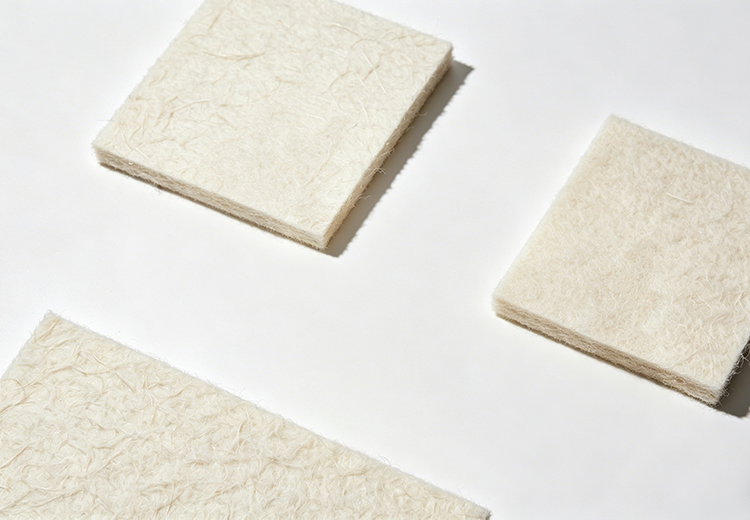
First, understand material compatibility
Recycled cotton is a porous fiber material. Ordinary glue is prone to issues such as "bleeding, hardening, sticking but not secure, and corroding fibers". It is advisable to use glue specifically designed for recycled cotton. The mainstream compatible glues are as follows:
1. Water-based lotion adhesive
Using acrylate and modified starch as core raw materials, with water as the solvent, it is formaldehyde-free, benzene-free, and heavy metal-free, with a light odor. With moderate permeability, it can penetrate into the pores of recycled cotton fibers. After curing, it maintains the softness and elasticity of the cotton, without becoming hard or clumping. It has high peel strength, water resistance, and moisture resistance, making it suitable for environmentally friendly applications such as home textiles, furniture, and automotive interiors.
2. Polyurethane recycled foam adhesive
Two-component or one-component polyurethane adhesive, specifically designed for soft recycled cotton/sponge, boasts strong adhesive force and excellent elasticity. After curing, it does not affect the softness of the recycled cotton, and the bonding points remain non-gelatinized and non-hardened. It is resistant to aging and high/low temperatures, suitable for bonding high-density recycled cotton and thick cotton layers. It is used in high-strength load-bearing scenarios such as sofas, mattresses, and automotive interiors.
3.4. Hot melt adhesive
EVA or modified polyolefin hot melt adhesive, when heated and melted for coating, cures quickly upon cooling, exhibiting strong initial adhesion, rapid curing, and high efficiency, making it suitable for automated production lines. However, it has slightly weaker flexibility and is prone to cracking at low temperatures. It is only suitable for thin and lightweight recycled cotton, low-stress, and rapid assembly scenarios, and should be avoided for high-frequency bending and humid environments.
4. Solvent-based adhesive
Containing harmful solvents such as toluene and xylene, it has severe formaldehyde and VOC emissions, emitting a strong pungent odor and toxic gases over a long period. After curing, the cotton body becomes hard and prone to aging and cracking, posing a health hazard to production personnel. It is strictly prohibited for use in recycled cotton products and is only temporarily used for some low-end tooling.
II. Fine matching based on usage scenarios to avoid unnecessary expenses
The requirements for glue in recycled cotton vary greatly across different scenarios. It is essential to select glue according to specific needs, balancing quality and cost:
Home textiles/mattresses: Choose water-based acrylate adhesive, which is environmentally friendly, odorless, soft and non-caking, water-resistant and mold-proof, and suitable for personal use scenarios;
Sofa / Furniture: Select single-component polyurethane adhesive, which features strong bonding strength, excellent elasticity, aging resistance, and high-frequency bending without cracking;
Automotive interior: Choose modified water-based adhesive or high-temperature resistant polyurethane adhesive, which is resistant to high and low temperatures (-20℃~80℃), low VOC, odorless, and suitable for the enclosed environment inside the car;
Sound insulation/packaging cotton: Choose EVA hot melt adhesive, which is fast-curing, efficient, and low-cost, suitable for low-stress and quick assembly scenarios.
Some content is reposted from the internet. Copyright belongs to the original authors. If infringement occurs, please contact us for removal. Content involving franchising or investment carries risks - exercise caution when making decisions.


