When it comes to home decoration, using tile grout for seam filling is meant to beautify gaps, prevent dust and mold, and enhance the overall quality of the decoration. However, many homeowners encounter the same problem: not long after the seam filling is done, the gaps gradually change color and turn yellow, especially for white and light-colored grout, which is particularly noticeable and directly reduces the overall aesthetic value of the house. Many people think it's just natural aging after prolonged use, but in fact, the discoloration and yellowing of grout is by no means accidental. The core reasons mainly lie in four aspects: product material, construction process, environmental impact, and daily maintenance. Below, we will analyze the reasons in detail and provide prevention and remedial measures.
1. The inferior material of the product is the fundamental reason for yellowing and discoloration
The raw material formula of the beauty sealant itself determines its resistance to yellowing, which is also a link prone to problems.
1. Low-end epoxy raw materials are prone to oxidation
Ordinary and inexpensive sealants often use aromatic epoxy resins, which have low purity and many impurities. The molecular structure contains unstable components such as benzene rings, which are prone to photo-oxidation reactions when exposed to air and light, gradually leading to yellowing and fading. In contrast, inferior curing agents have insufficient purity, and residual free amines continue to react during the curing process, accelerating the overall yellowing of the sealant.
2. Adding inferior additives and cutting corners
Many low-priced grout sealers, in an effort to cut costs, illegally add cheap additives such as nonylphenol. These ingredients have poor stability and will rapidly decompose when exposed to high temperatures or ultraviolet rays. Not only do they turn yellow in a short period of time, but they also release harmful substances. Additionally, some generic grout sealers use organic pigments, which have poor heat resistance and weather resistance, and are prone to discoloration and fading in humid and high-temperature environments.
3. There are differences in the performance of the material itself
There is a significant difference in the yellowing resistance levels of common sealant materials: ordinary epoxy sealants are prone to yellowing; hydrogenated epoxy can delay yellowing but cannot prevent it; aspartic polyurea sealants use aliphatic raw materials and do not contain yellowing-prone molecular structures, with strong UV resistance and antioxidant capabilities, making them the preferred choice for light-colored systems and sunny areas.
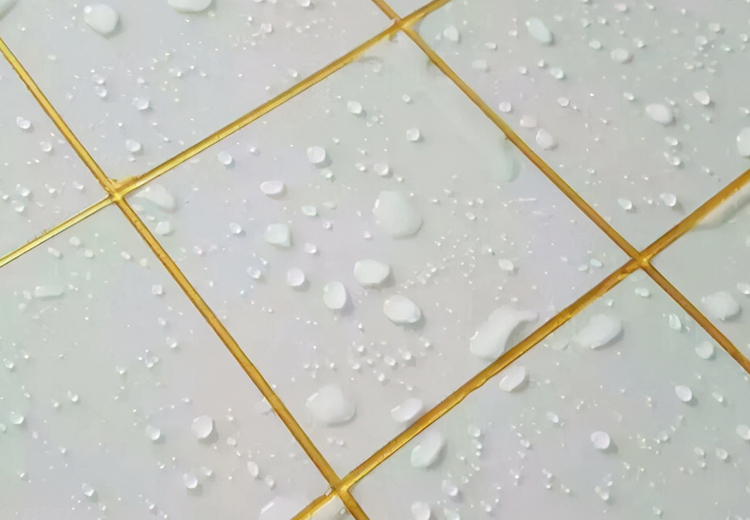
II. Non-standard construction practices pose a risk of yellowing and discoloration
Many times, the yellowing of grout is not a material issue, but rather a result of inadequate execution of construction details, which gradually manifests as problems in the later stages.
1. Construction was carried out before the brick joints were fully dry
After tiling, the internal moisture of the cement mortar evaporates slowly. If the tile grouting is carried out shortly after tiling, the residual moisture inside the joints will be sealed in by the tile grout. Later, as the moisture slowly permeates out, it will react with the tile grout, causing the joints to turn white or yellow, and it is also prone to mold growth.
2. The joint cleaning and dust removal are not thorough
Before construction, if the gaps are not cleaned of residual dust, sand, cement debris, oil stains, and other impurities, and then directly filled with sealant, these impurities will be trapped inside the grout. Over time, as the impurities absorb dirt and become damp and deteriorate, they will leak out their color from the inside, causing local discoloration and yellowing.
3. Errors in proportioning and construction methods
Uneven mixing ratio and insufficient stirring of dual-tube beauty sealant can lead to incomplete curing, unstable colloidal structure, and susceptibility to dust absorption and discoloration. During application, uneven thickness of the adhesive layer and improper timing of seam pressing can also result in inconsistent surface density, making it prone to stain infiltration and yellowing. Additionally, the misuse of oxalic acid or strong acid-base cleaners to clean the gaps during application can corrode the surface layer of the beauty sealant, damaging its structure and causing discoloration.
Third, environmental factors accelerate the aging and yellowing of grout
The temperature, humidity, and lighting conditions in different spaces can directly accelerate the yellowing of grout, making these areas particularly prone to yellowing.
1. Ultraviolet direct radiation oxidation
In areas such as balconies, french windows, sunrooms, and outdoor walls, long-term direct exposure to ultraviolet rays from sunlight can damage the molecular structure of the sealant, accelerating the photo-aging reaction. Light-colored sealant will visibly yellow within just a few months, which is several times faster than the yellowing rate in shaded indoor areas.
2. Erosion in humid and high-temperature environment
The kitchen and bathroom are damp and steamy all year round, and the cooking fumes and cleaning stains can easily penetrate into the surface pores of the grout, accumulating dirt over time and causing it to turn yellow or black. The long-term high-temperature baking in the floor heating area can also accelerate the aging of the grout, leading to fading and discoloration.
3. Penetration of external pollutants
The living room and hallway often have water on the floor, and sewage seeps in through cracks. Residues of oil, beverages, and cleaning agents from daily life, if left on the surface of the grout for a long time without timely cleaning, will gradually penetrate into the adhesive, causing local discoloration and yellowing.
4. Improper daily maintenance, exacerbating discoloration and yellowing due to human factors
Many homeowners overlook the importance of post-installation maintenance, and incorrect cleaning methods can directly damage the grout sealant.
1. Use strong corrosive cleaning agents
Using disinfectant, bleach, strong acid or strong alkali cleaners when cleaning grout can corrode the surface of the grout, damage the protective layer, and make it lose its anti-stain ability, making it more prone to color absorption and yellowing in the future.
2. Rough cleaning method leads to wear and tear
Using a hard steel wool ball and a hard-bristled brush to vigorously scrub the grout joints can scratch the surface of the grout, leaving fine scratches that allow dust and stains to easily accumulate, eventually causing the grout to become dull and yellow over time.
3. Not doing daily cleaning for a long time
If dust, oil stains, and water deposits are allowed to accumulate in the gaps and not taken care of for a long time, the stains will solidify and become difficult to clean. They will gradually penetrate into the interior of the seam fillers, causing yellowing and discoloration.
Some content is reposted from the internet. Copyright belongs to the original authors. If infringement occurs, please contact us for removal. Content involving franchising or investment carries risks - exercise caution when making decisions.


